Through a Gender Lens 2026: The Economic Security of Women and Girls in Forsyth County was produced using a community-based participatory research (CBPR) framework that centers lived experience alongside data. This report, commissioned by The Women’s Fund of Winston-Salem, was a collaboration between Forsyth Futures, Action4Equity, and a cohort of women and people with lived experiences aligned with womanhood from across Winston-Salem and Forsyth County. This report was shaped from start to finish by that cohort, who helped define what thriving means, identified the issues that mattered most, and interpreted the findings alongside researchers.
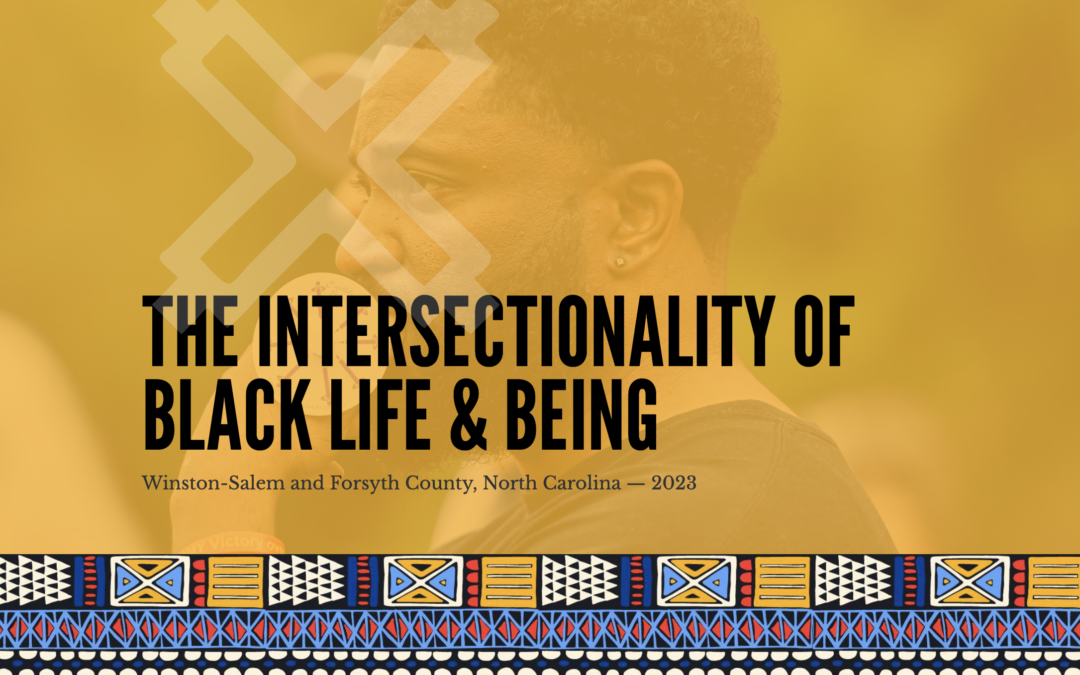
The “Intersectionality of Black Life and Being” report was produced with a community-based research (CBR) framework that departs Forsyth Futures’ traditional research approach. This report, commissioned by the Black Philanthropy Initiative of the Winston-Salem Foundation, was a collaboration among Action4Equity, Forsyth Futures, and a dedicated group of research participants from the Black community in Winston-Salem and Forsyth County. Unlike conventional research, this community-based approach actively involved Black people from the local community as co-leaders and decision-makers, ensuring mutual ownership over many aspects of the research process.

In our last series post we looked at how the COVID-19 pandemic had affected labor force participation and unemployment in Forsyth County and reported on recent changes in employment by industry. This post digs deeper into the question of ‘who’ by exploring which groups in our community have been most impacted by recent economic shifts and have experienced the worst of the pandemic’s effects. The data in this post looks at the US as a whole; it was produced using the US Census Bureau’s Household Pulse Survey.